Public transport accessibility for people living with disability: the no brainer still needing a boost
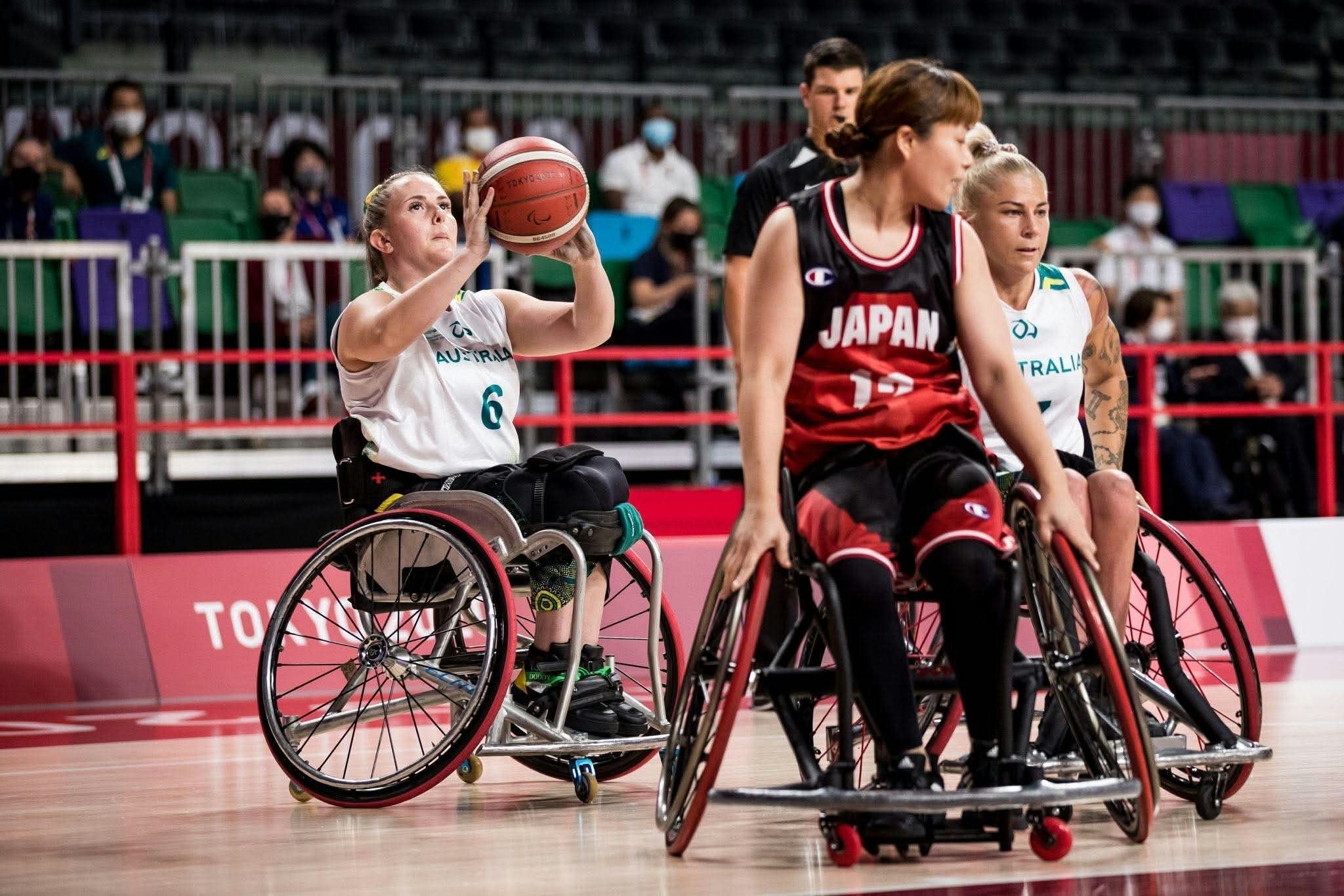
Public transport accessibility for people living with disability is a no-brainer policy promise that strangely still needs to be pushed. Inefficiencies, inconvenience and missed opportunities are still happening. Hannah, a paralympian athlete, says that disabled users must be central to plans to improve.
Hannah’s life is busy. She is an athlete on the move. As a two-time Paralympian, recent Commonwealth Games competitor, and year-round athlete, she’s got places to be, training to make and skills to perfect. She doesn’t have time for discriminatory and incomplete accessibility in public transit. Not one minute.
Comprehensive and reliable accessible public transport has been an Australian no-brainer policy promise for years. So why are disabled users and advocates still having to give the goal a boost?
Disability access on public transport
Hannah has represented Australia on the world’s stage for decades. She’s proud to wear the green and gold, competing in dressage at London’s Paralympics and most recently, in Glasgow’s Commonwealth Games, in wheelchair basketball. She is less thrilled about Australia’s approach to accessible public transit options and public transportation for wheelchair users,
When it comes to Melbourne’s trams, she ruefully grins, “fortunately I’ve only had to use the trams once in Melbourne, and had to wait over 20 minutes as the first tram wasn’t accessible”.
This stung. And for so many other people with disabilities, leading full lives, the embedded indignity and inconvenience of inaccessibility is simply not good enough. It means time wasted and plans upended.
“It was annoying to have to wait, as we were on a pretty tight schedule and that made us really late”.
Accessible travel for people with disabilities – a national problem
Disabled Australians thought the message had gotten through. With full lives, out and about in all the nation’s cities, being routinely reminded in their routines, that they don’t fit, is de-humanising.
Across the country, reliable accessibility is not yet at 100 per cent. And as Hannah has experienced, that means anything can happen.
“Honestly, pretty much most major cities in Australia have problems with access on public transport, as not all stations or trains/buses/trams are accessible”, she shares.
[Accessible public transit in Australia] It’s a real roll of the dice”.
Accessible public transit options – the problem of working backwards
In their key infrastructure policy and planning, Australia’s cities did not have accessibility top of mind. Hannah is ready with a laugh and frank truth regarding why the battle has felt so uphill.
“Most cities were established before access was a thought so pretty much everyone is working backwards”, she says.
What this means for disabled users is that trips of convenience and planning turn into logistical agility and adaption, “so it’s always an adventure trying to figure out accessible routes and ways to get around.”
But for Hannah, for her fellow athletes, there’s enough action and adventure on the court. Reliability and accessibility shouldn’t be a thought that enters their head. They’d like to keep all their energy for the game ahead. People just want to get where they’re going.
Hannah and other wheelchair users are clear, when any element of public transit needs upgrading, it’s a great opportunity to reassess and work-in plans for accessibility.
For countless advocates, this makes what is happening with Melbourne’s tram stops so frustrating.
Accessible public transit options start with listening to people with disabilities
Melbourne’s disability community is speaking up about the missed opportunity with the ongoing tram upgrades. Hannah too is happy to share her voice, even from another city. Because it will take the village.
She shares that the disability community must be first, front and centre in transit upgrades conversations.
For her it’s a no-brainer, “actually consult people with disabilities!”
“So much is done with disability “experts” that don’t have lived experience with disability and it’s super frustrating to experience it after. Things can be built to accessible codes but still not actually accessible. We must be a part of the conversation”.
For accessible transit project efficiency and effectiveness, there are no better consultants than those who know every way a system can fail. And know exactly how it can be fixed.