What families told researchers about NDIS behaviour support, and how to choose a practitioner
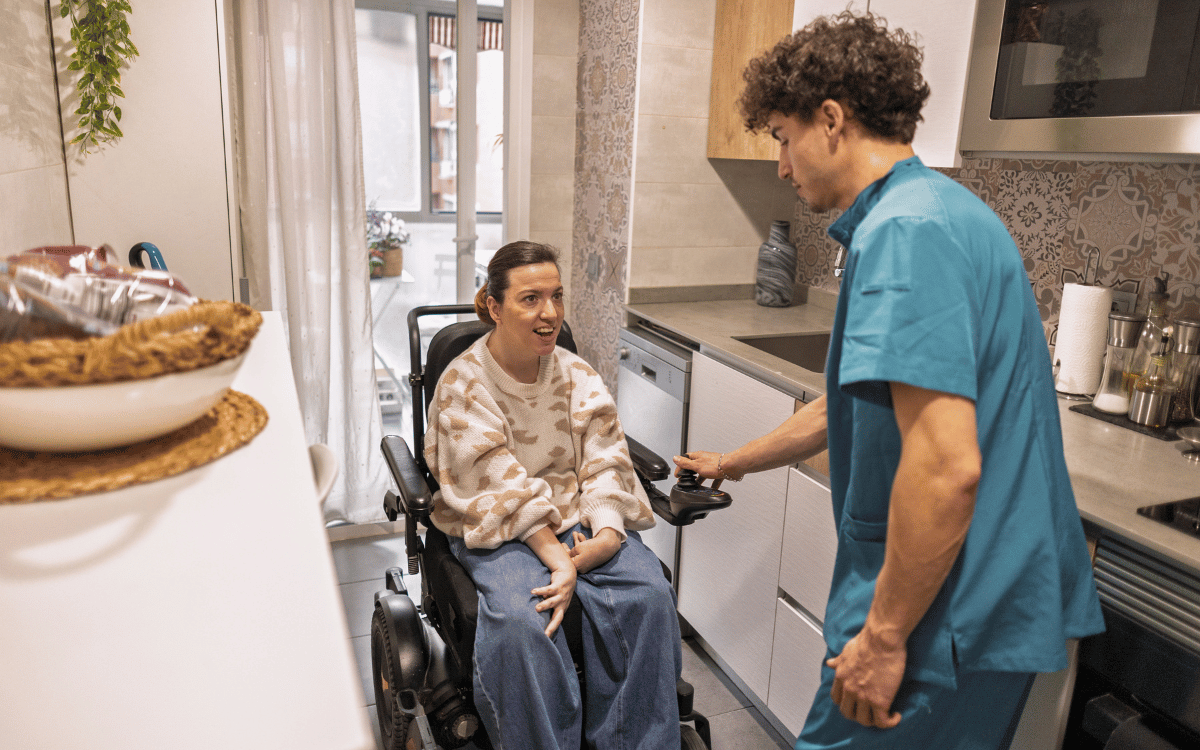
A new national study asked families about their NDIS behaviour support practitioners. What they said, and the questions worth asking before you choose one.
If you help someone use NDIS behaviour support, a new study has put words to something many families already feel. It can be hard to know whether the practitioner in front of you is the right fit, and hard to find the information you would need to judge.
Researchers from Flinders University, Monash University and the University of Melbourne surveyed 123 informal supporters, the family members and close supporters who help someone use behaviour support outside of any paid role. Most were parents supporting their own child, and almost 9 in 10 were women. The findings were published in the Australian Journal of Social Issues on 3 September 2026, and the work was funded by the NDIS Quality and Safeguards Commission.
This guide covers what families said, what good behaviour support looks like, and the practical questions worth asking before you choose or stay with a practitioner.
What positive behaviour support is meant to do
Positive behaviour support, often shortened to PBS, is a person-centred and rights-based approach. Instead of trying to control a person, it looks at the unmet needs and the barriers around them that lead to behaviours of concern, and works to improve the person’s quality of life.
A central goal is reducing restrictive practices. A restrictive practice is anything that limits a person’s rights or freedom of movement, such as physical restraint or locking a person out of parts of their home. Good behaviour support should bring these down over time, not lock them in.
That is the promise. The study looked at how well families feel it is being delivered.
What families said
The picture was mixed. Families valued practitioners who communicated well, showed empathy, worked collaboratively and explained things in plain language. When those qualities were present, the experience was positive.
But confidence was uneven. 64 per cent of supporters felt they understood the practitioner’s role, yet only 32 per cent rated their overall confidence in the practitioner’s knowledge and skills as moderate, and many rated it lower. Confidence dropped further in some of the areas that matter most:
- Involving the person with disability in setting their own behaviour support goals. Fewer than 4 in 10 rated practitioners highly here.
- Making sure the plan reflects the person’s values and preferences.
- Supporting the plan to actually be put into practice day to day, where the most common rating was the lowest, 1 out of 5.
- Reducing restrictive practices over time. More than half rated practitioners’ skill at developing a fade-out plan as low, 1 or 2 out of 5.
Families also raised concerns that some practitioners leaned toward compliance and paperwork over real outcomes, did not always have enough disability-specific knowledge, and offered limited help with the practical work of making a plan happen. One supporter described a practitioner who spent more than 50,000 dollars over 3 years with no change in their son’s behaviour and no plan written. Another said they went through 8 practitioners before a single plan was completed.
A theme running through all of it was information. Families often did not have enough detail to judge a practitioner’s qualifications, experience or approach before committing.
The researchers make the point that formal choice can be hollow. The NDIS lets people search for a registered practitioner, but a listing only shows that someone is available, not whether they have the right qualifications, experience or approach. Families said that information was hard to find, and some felt practitioners hid their backgrounds. As lead author Dr Alinka Fisher put it, meaningful choice depends on more than simply having a provider listed or available. Participants and their supporters need clear information about a practitioner’s qualifications, experience, areas of expertise and approach before they commit.
Availability is still a barrier
Choice only means something if there is someone to choose. Families reported limited local availability and long waitlists, and the problem was sharper in regional, rural and remote areas. One supporter described interviewing more than 6 practitioners before finding one who was suitable. Another said the few providers in their area held a monopoly. For many, the practical question is not which practitioner is the best fit, but whether anyone is available at all.
Questions worth asking a practitioner
You are allowed to ask questions before you engage a behaviour support practitioner, and to keep asking once you have one. The study points to the areas where families most wanted clarity. Before you commit, it is reasonable to ask:
- What are your qualifications, and how much experience do you have with this specific disability or situation?
- How will you involve the person with disability in setting their own goals?
- How will you make sure the plan fits their values, preferences and daily life?
- What is your plan to reduce restrictive practices over time?
- How will you support the people around the person to carry out the plan, not just write it?
- Can we have a short meeting first, before we formally engage, to see if you are the right fit?
That last one matters. One of the study’s recommendations is that families should be able to meet a practitioner before formal engagement, rather than committing blind.
Your rights and where to get help
Behaviour support and restrictive practices are regulated by the NDIS Quality and Safeguards Commission, the body that also funded this research. The Commission sets the rules practitioners must follow, oversees the use of restrictive practices, and is where you can raise a concern or complaint about a provider.
If a practitioner is not the right fit, you can change providers. It is worth understanding how a switch works so support is not interrupted, and so any plan and records move across smoothly.
What the researchers want to change
The study is not only a list of problems. Its recommendations point to a system that would be easier for families to navigate:
- More transparency about practitioners’ qualifications and areas of expertise, so families can compare and choose.
- The option to meet a practitioner before formally engaging them.
- Stronger inclusion of the person with disability in planning and in carrying the plan out.
- Making sure practitioners have genuine positive behaviour support knowledge and disability-specific expertise.
- Backing the workforce with funding, supervision and quality assurance, so quality does not depend on luck.
For families, the takeaway is simple. You are entitled to ask about qualifications and approach, to expect the person you support to be at the centre of their own plan, and to move on if the fit is wrong.
FAQ
What is positive behaviour support under the NDIS?
Positive behaviour support is a person-centred, rights-based approach that looks at the unmet needs and barriers behind behaviours of concern, works to improve a person’s quality of life, and aims to reduce restrictive practices over time. It is delivered by behaviour support practitioners and funded through the NDIS.
What is a restrictive practice?
A restrictive practice is any intervention that limits a person’s rights or freedom of movement, such as physical restraint, seclusion, or restricting access to parts of a home. Positive behaviour support aims to reduce their use, and their use is regulated by the NDIS Quality and Safeguards Commission.
How do I choose a good behaviour support practitioner?
Ask about their qualifications and experience with the specific disability, how they will involve the person in setting goals, how the plan will reflect that person’s values and daily life, and how they will reduce restrictive practices over time. You can also ask for a short meeting before you formally engage them.
Can I change my behaviour support practitioner?
Yes. If a practitioner is not the right fit, you can move to another provider. It helps to plan the switch so support is not interrupted and your plan and records transfer smoothly.
Who regulates NDIS behaviour support?
The NDIS Quality and Safeguards Commission sets the rules for behaviour support and restrictive practices, oversees their use, and handles concerns and complaints about providers.
What did the new study find?
A national survey of 123 informal supporters found families valued practitioners who communicated and collaborated well, but many lacked the information to judge a practitioner’s qualifications, and confidence was lower on involving the person in goal-setting, reflecting their preferences, supporting real implementation, and reducing restrictive practices. Availability and waitlists were also a barrier, especially in regional and remote areas.
Learn more about how a behaviour support plan can improve quality of life here.