Connection is protection: tackling loneliness and building resilience through the NDIS
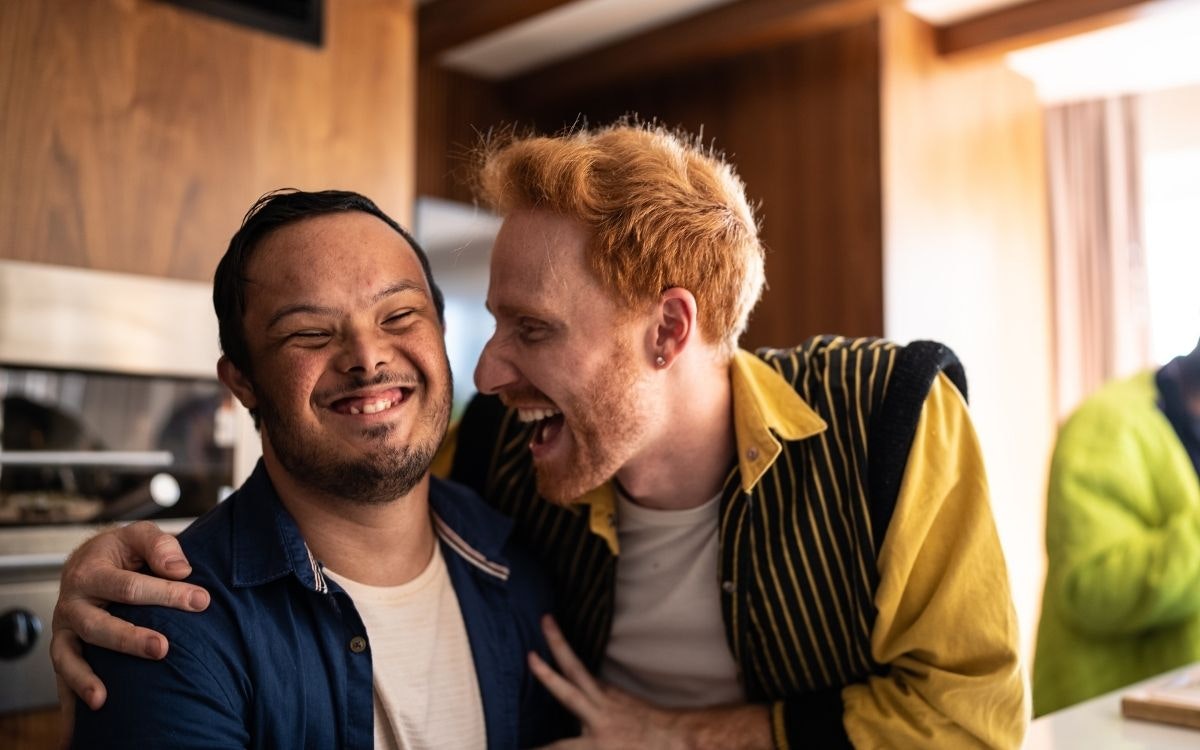
Social connection isn’t just about belonging – it’s vital for mental health. This World Mental Health Day, experts say loneliness among people with disability must be tackled through strong community connections.
Relationships at the heart of mental health
Last Friday’s World Mental Health Day (10 October) carried a powerful message – connection saves lives.
Two leading organisations, Relationships Australia NSW and Australians for Mental Health, used the day to highlight the urgent need for stronger recognition of social connection as a core pillar of wellbeing.
Relationships Australia NSW (RANSW) said isolation and poor social connection are major drivers of mental ill-health, yet they’re often sidelined in Australia’s largely medicalised system.
“Every day through our services, we see loneliness and relationship distress as common themes – yet they’re often siloed from mainstream mental health care,” said RANSW CEO Elisabeth Shaw.
“Relationship support must sit at the heart of the mental health system, not on its fringes. By investing in relationships and recognising their importance, we are investing in mental health.”
Australians for Mental Health (AfMH) took that message one step further, warning that connection is also key to resilience. With this year’s World Mental Health Day theme focusing on mental health responses in humanitarian emergencies, AfMH chief executive Chris Gambian said social connection must be part of disaster preparedness.
“Connected, resilient communities look out for one another, which can help them recover more quickly after a crisis,” he said.
“Connection is not some nice-to-have. It’s essential, and in the context of disasters, could be life-saving.”
Both organisations agreed that community connection is an essential form of prevention – one that keeps people mentally well before, during and after life’s challenges.
Loneliness and disability: an overlooked crisis
For Australians with disability, the effects of loneliness are particularly stark.
Nearly three in ten people aged 15–64 with disability report feeling lonely – almost double the rate of people without disability. For those with profound or severe disability, the figure rises to 37 per cent.
Physical barriers, stigma, inaccessible spaces and lack of transport can make it harder to join community activities or maintain friendships. As disability advocate Dr Rhonda Galbally has described, many people with disability have long been “shut in” or “shut out” of community life – excluded from workplaces, sports clubs and neighbourhood spaces that others take for granted.
The result isn’t just social isolation but poorer mental and physical health. Studies show that loneliness increases the risk of depression, anxiety, and even premature death – making it as serious a public health issue as smoking or obesity.
The NDIS and community participation
The National Disability Insurance Scheme (NDIS) was designed to help people with disabilities live full and connected lives. One of its core aims is to increase social and community participation, helping participants form friendships, join activities and feel included.
Key supports that can help reduce loneliness and build connection include:
- Social and community participation funding: Covers the cost of attending social, recreational or community programs, and may include a support worker to assist.
- Capacity building supports: Build confidence and communication skills to help participants join group activities or make new friends.
- Support workers: Provide practical help and companionship to access community spaces safely and confidently.
- Transport funding: Helps overcome one of the biggest barriers to participation – getting there.
- Support coordination: Links participants with local clubs, groups and accessible venues that match their interests.
These supports can open the door to connection – whether it’s joining a local art group, attending a sports club, or volunteering. For some, having a support worker along can be the difference between staying home and getting out to meet people.
Connection as resilience
Australians for Mental Health highlighted how connection not only improves everyday wellbeing but also strengthens communities in times of crisis. Programs like the NSW Nature Conservation Council’s Hotspots Fire Project show that preparing together for natural disasters also builds lasting social ties.
“Knowing your neighbour is about more than information sharing during a crisis,” said project ecologist Kevin Taylor. “It’s someone who understands, cares and is willing to be there when it’s all over. That’s powerful.”
The project also found that being connected to nature and helping in its recovery from disasters strengthened people’s social recovery too – a reminder that connection comes in many forms.
That same principle applies to disability and mental health support – when people are connected, they’re better able to cope with stress, change and emergencies. Investing in local infrastructure, inclusive programs and NDIS supports that foster belonging strengthens not just individuals but whole communities.
Investing in belonging
Both RANSW and AfMH urged governments to make social connection a policy priority – across mental health, disaster preparedness, and community planning.
“Local councils are uniquely placed to create and help maintain social connections, whether that’s by investing in public pools, libraries or intervention programs suited to their communities,” Mr Gambian said.
For people with disability, this means ensuring the NDIS continues to fund and improve pathways for participation, and that mainstream services remain inclusive. It’s also a reminder that everyone – families, neighbours, community groups – has a role in reducing loneliness.
Connection isn’t just about having people around. It’s about belonging. And for people living with disability, being part of a community that cares can make all the difference – not just to mental health, but to a more resilient, compassionate Australia.