Federal Court orders NDIS to fund mobility scooter in significant ruling
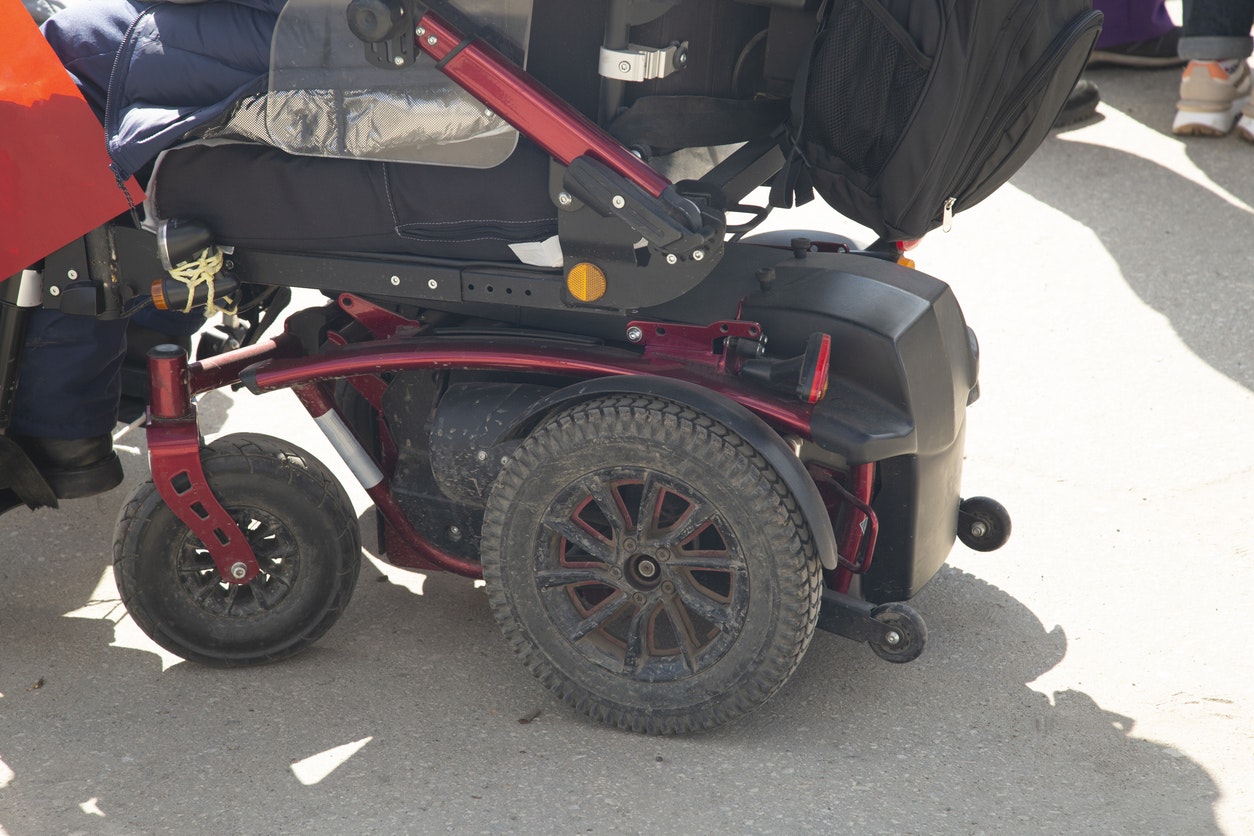
A Federal Court ruling has ordered the NDIA to fund a mobility scooter for an NDIS participant with multiple disabilities, a decision experts say could reshape how supports are assessed under the scheme.
A Federal Court ruling ordering the National Disability Insurance Agency (NDIA) to fund a mobility scooter for a participant with multiple disabilities is being described as an “extremely significant” decision.
Legal experts say the judgement could influence how the NDIS assesses supports for people living with multiple conditions.
The case involved Lee Eastham, a man from regional Victoria who lives with hearing and vision impairments, along with several other medical conditions that limit his mobility.
In 2022, Mr Eastham asked the NDIA to fund a $7,300 mobility scooter so he could travel independently into town for shopping, medical appointments and volunteer work with the State Emergency Service.
However, the NDIA rejected the request.
The agency argued that Mr Eastham’s need for a scooter was linked to his physical conditions rather than the hearing and vision impairments that originally made him eligible for the NDIS.
Decision challenged
Mr Eastham appealed the decision to the Administrative Review Tribunal (ART), which reviews government decisions.
The tribunal ruled in his favour, finding the scooter should be funded.
The NDIA then appealed that decision to the Federal Court. Last month, the court upheld the tribunal’s ruling.
The NDIA has also been ordered to pay Mr Eastham’s legal costs from both the tribunal and court proceedings.
Mr Eastham said the outcome was about more than just his own situation.
“I feel like I’ve actually achieved something that’s going to not only benefit me, but everyone else that’s going through the same process,” he said.
Nearly four years after his original request, he says the scooter will help him regain independence.
“It’s really going to open up the world.”
Looking at the whole person
Lawyers involved in the case say the ruling clarifies how the NDIA should assess participants with multiple disabilities.
The Justice and Equity Centre, which represented Mr Eastham, argued the scheme should consider the combined impact of a person’s disabilities, not just the impairment that allowed them to enter the NDIS.
Senior solicitor Mitchell Skipsey said the court made it clear participants must be considered as whole people.
“The really important thing that this case has said is that a person’s whole life is important,” he said.
“Somebody isn’t just a bundle of diagnoses. They are a whole person, and that’s what the NDIS needs to consider.”
Justice Lisa Hespe also warned the NDIA against being too rigid when making funding decisions, saying the process should involve “logic” and “common sense”.
Possible wider impact
Disability advocates say the decision could influence future NDIS funding decisions.
Naomi Anderson, principal solicitor at the Villamanta Disability Rights Legal Service, said the ruling addresses a key issue many participants face.
“The NDIA had taken the view that they could separate people’s conditions and look at just one factor when deciding if support should be funded,” she said.
“Human beings just don’t work that way.”
Rising disputes with the NDIS
The case comes as the NDIS undergoes major reforms aimed at slowing the scheme’s rapid cost growth.
The scheme currently supports more than 760,000 participants, but costs are projected to exceed $50 billion this financial year.
Disputes over funding decisions have also increased.
Administrative Review Tribunal data shows NDIS cases rose by 95 per cent in 2024–25 compared with the previous year. Around three-quarters of those decisions were overturned.
For Mr Eastham, the ruling marks the end of a long legal process — and the beginning of greater independence.