Groundbreaking representation: how the first autistic Barbie is sparking pride and debate
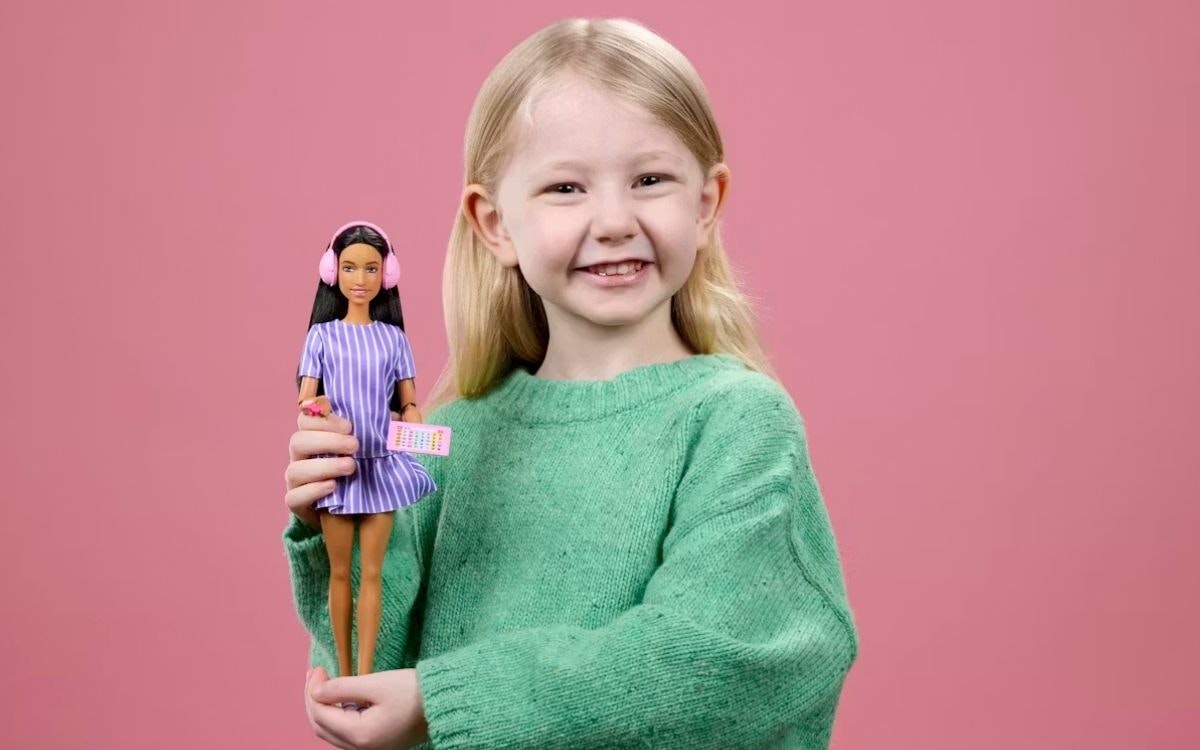
The release of the world’s first autistic Barbie marks a major moment for disability representation. Celebrated by advocates including Chloé Hayden, the doll is sparking important conversations about neurodiversity, inclusion, and what authentic representation really looks like for autistic people.
The toy aisle just got genuinely interesting. On 12 January 2026, American toy giant Mattel released the first autistic Barbie, a doll designed to reflect some common ways autistic people experience and interact with the world – and disability advocates (including Australian activist Chloé Hayden) are calling it a huge milestone for representation.
For decades, Barbie has tried to mirror the diversity of real life. Recent lines include dolls with Down syndrome, type 1 diabetes, prosthetics, hearing aids, and a wide range of body types and skin tones. The first autistic Barbie joins that Fashionistas collection and was developed in collaboration with the Autistic Self Advocacy Network (ASAN), an autistic-led organisation, over more than 18 months.
What makes this Barbie “autistic”?
This isn’t Barbie with a label slapped on – Mattel and ASAN intentionally included design features to reflect some autistic experiences, not define the whole spectrum:
-
eyes that look slightly to the side, reflecting that direct eye contact can be stressful for some autistic people
-
articulated elbows and wrists to enable stimming-like movement
-
a sensory-friendly outfit and flat shoes for comfort
-
accessories such as noise-cancelling headphones, a pink fidget spinner and a tablet with augmentative and alternative communication (AAC) apps.
These elements have a purpose: normalising supports that many autistic people use, and showing that sensory needs and differences belong in everyday play.
Why Chloé Hayden’s reaction matters
Chloé Hayden, the Australian actor, author and disability advocate best known for her portrayal of an autistic character on Heartbreak High, welcomed the doll as groundbreaking for young girls who may never have seen themselves reflected in mainstream toys before. She shared how Barbie shaped her own childhood dreams – and how an autistic Barbie could help others feel seen and validated.
Hayden’s broader advocacy work – from her memoir Different, Not Less to her global social-media platform – emphasises that autism isn’t a monolith and that neurodiversity should be embraced in all its complexity.
A mixed but powerful reaction from community voices
The launch has been widely celebrated – many autistic adults and parents say seeing sensory needs, communication tools and stimming represented in Barbie feels affirming and long overdue. Some have said they “wish they’d had this as a child.”
But it isn’t universally embraced. Some advocates argue that autism doesn’t have a single look or set of traits, so no single doll can represent every autistic experience – a valid critique rooted in a nuanced understanding of the neurodiversity paradigm, which holds that autism is a wide spectrum of ways of being and perceiving, not a checklist of behaviours.
That debate – about whether representation should be symbolic, specific, or both – reflects the broader journey of the autistic rights movement: seeking visibility without simplifying the lived reality of autistic people.
So where to from here?
An autistic Barbie isn’t a solution to the systemic barriers autistic people face – in education, employment, healthcare or community inclusion. But it’s not nothing. Tools of play shape identity, empathy and imagination. When children see toys that look and act like them, it chips away at the idea that disability is something to hide rather than something that’s part of a diverse, human experience.
Representation matters – especially when influenced by autistic voices themselves. And as Hayden’s advocacy reminds us again: nothing about us without us isn’t just a slogan, it’s a standard we should expect in media, policy, and even in the toys on our shelves.