How complex high care supports people with severe disabilities
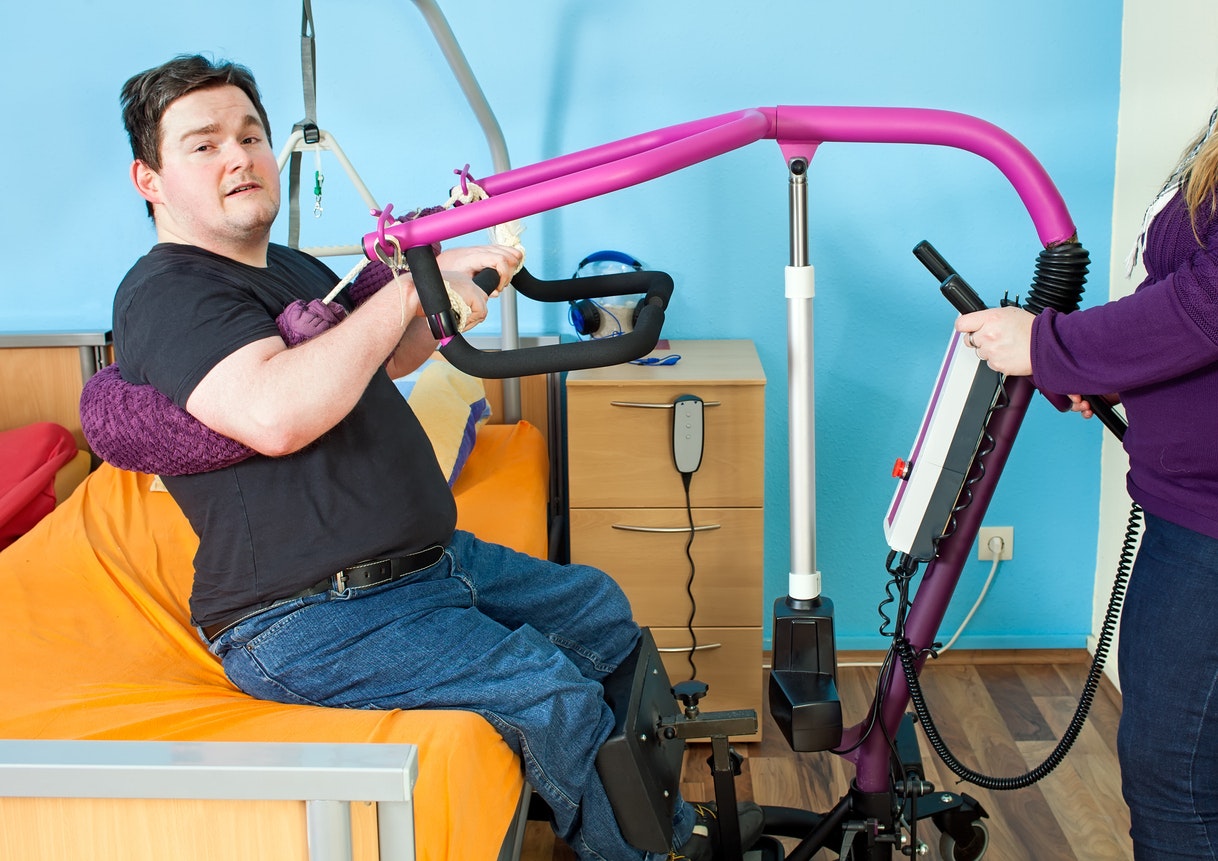
What complex high care involves, who it supports, and how specialised medical and personal care helps people with severe disabilities live safely, independently and with dignity.
Living with a severe or long-term disability often means needing daily, highly specialised support. For many people, this support comes through complex high care. It combines medical, personal and emotional care to help individuals stay safe, well, and as independent as possible.
Complex high care is not just about clinical treatment. At its best, it is built around dignity, consistency and respect, supporting people to live full lives despite significant health challenges.
What is complex high care?
Complex high care refers to high-level, ongoing support for people with severe or chronic medical conditions. This may include neurological conditions, spinal or brain injuries, progressive diseases, or situations where a person requires assistance with breathing, mobility or daily living.
Support is typically delivered by a multidisciplinary team that can include registered nurses, trained support workers and allied health professionals. Together, they manage complex health needs while also supporting daily routines and personal goals.
For families, complex high care can provide reassurance that their loved one is receiving safe, appropriate care from trained professionals. Under the NDIS, this level of support is often referred to as NDIS complex care, with strict requirements around quality, safety and clinical oversight.
What makes complex high care different?
Complex high care goes beyond standard personal support. It is designed for people with high or intensive needs, often requiring frequent clinical input or 24-hour care.
Some individuals may need post-surgical care or ongoing support following a serious injury. Others require regular nursing interventions for pain management, wound care or pressure injury prevention.
Importantly, complex high care also recognises the need for emotional and social connection. Support is not only about managing symptoms, but about helping people stay connected to family, friends and their community.
Under the NDIS, participants with very high needs may be supported through the Complex Support Needs Pathway. Care plans are highly individualised and adjusted as needs change, which is what makes this level of care both specialised and personal.
Examples of complex high care services
Complex high care can include a wide range of services, depending on individual needs. These may include:
- Medical and nursing care, such as wound management, medication administration, pressure care, seizure management, ventilation support and tracheostomy care
- Personal care, including assistance with bathing, dressing, grooming, toileting and household tasks like cleaning or laundry
- Mobility and rehabilitation support, helping people move safely, use mobility aids, reduce the risk of falls and maintain strength and comfort
- Community participation, supporting people to engage in social activities and remain connected to others
Together, these services form a coordinated approach focused on safety, comfort and dignity.
Who needs complex high care?
Complex high care supports people with severe or long-term disabilities that significantly affect daily functioning. This can include people living with cerebral palsy, acquired brain injury, spinal cord injury or Parkinson’s disease.
It may also support medically complex children who require assistance with feeding, breathing or continuous care. Others may need high-intensity support following a serious accident, surgery or during the management of chronic illness.
Support can be delivered in different settings, including the home, supported independent living arrangements or with 24-hour care, depending on individual circumstances. For families, this level of care often brings peace of mind, knowing their loved one is safe and supported.
The role of support workers and nurses
Skilled support workers and nurses are central to the delivery of complex high care. Support workers assist with daily activities such as eating, personal care and mobility, helping people feel safe, comfortable and respected in their own environment.
Registered nurses provide clinical care, including medication management, wound care, pain control and complex procedures such as ventilation or tracheostomy support. Some support workers are also trained as ventilator-competent support workers, allowing them to safely assist people who rely on breathing equipment.
Care is typically delivered in collaboration with doctors, support coordinators and family members to ensure the care plan reflects the person’s needs, preferences and goals.
Benefits of complex high care
Complex high care allows many people to remain at home rather than in hospital or residential settings. By managing health needs proactively, it can reduce hospital admissions and support recovery following illness or injury.
This level of care can also help prevent complications such as pressure injuries, infections and falls. Many people report improved comfort, confidence and overall wellbeing.
Families benefit too, gaining reassurance that trained professionals are providing consistent, high-quality care. Over time, complex high care supports better health outcomes, independence and quality of life.
Living independently with complex high care
A key aim of complex high care is to support independence wherever possible. Even when needs are high, individuals should be able to make choices about their daily life.
For some, this includes supported independent living, where people remain in their own home or shared accommodation with access to trained support. Regardless of the setting, the focus remains on safety, inclusion and personal autonomy.
Why dignity matters
Dignity is at the core of quality care. People receiving complex high care are not just patients. They are individuals with preferences, goals and relationships.
Respectful care means involving people in decisions about their support, listening to what matters to them and recognising their right to choice. Compassionate care builds trust and comfort, and emotional wellbeing is just as important as physical health.
Conclusion
Complex high care plays a critical role in supporting people with severe disabilities and complex needs. By combining medical, personal and emotional support, it enables individuals to live safely, comfortably and with dignity.
For those who may benefit from this level of support, speaking with a registered NDIS provider can help clarify options and next steps. When delivered well, complex high care is not just a service, but a foundation for a better quality of life.