School struggles: What families of children living with disability should know
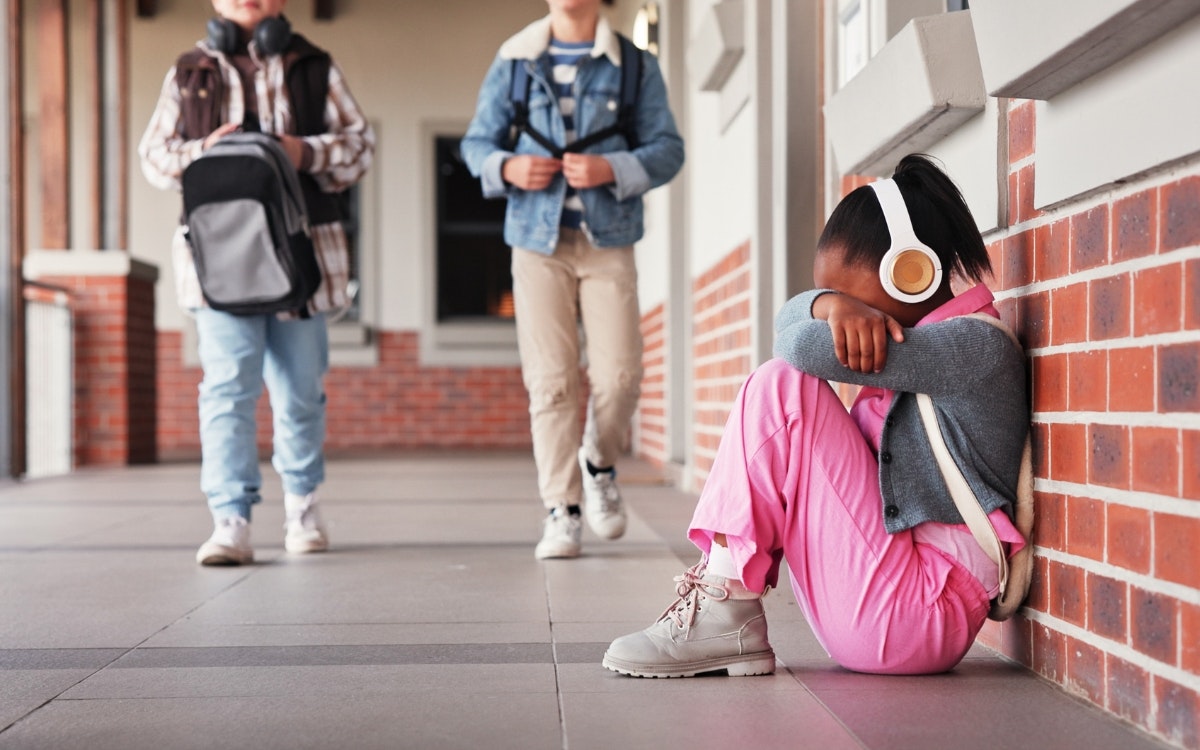
As the school term resumes, many parents of children with disability are bracing for challenges that go far beyond homework and uniforms. Bullying, exclusion, and a lack of support remain widespread in Australian primary schools — despite strong legal protections. From enrolment hurdles to unfair discipline and limited learning adjustments, many children still face barriers to full participation.
As the school gates swing open again for semester two, many parents of children with disability may feel a familiar mix of hope and anxiety. While a new term can bring new opportunities, it can also resurface challenges that families have faced again and again: bullying, exclusion, a lack of understanding, and in some cases, outright discrimination. Despite strong laws in place to protect children with disability, recent evidence shows that many Australian primary schools still fall short of delivering genuinely inclusive education.
In this editorial, we explore what the latest research and real-world stories tell us about the state of disability discrimination in Australian primary schools, and what parents should know and do if they’re facing similar struggles.
Bullying and exclusion: A disturbing reality
CYDA’s most recent national survey found that 75% of students with disability were bullied at school in the past year (CYDA 2024 Education Survey). Even more alarmingly, over 70% were excluded from activities like excursions, sports, or camps. For many families, bullying isn’t just playground teasing — it includes verbal abuse, physical harm, social isolation and even online harassment.
Children like 12-year-old Lily, who lives with cerebral palsy and autism, describe being regularly excluded by classmates and brushed aside by staff when they report what’s happening. These daily struggles don’t just damage self-esteem — they often drive families to withdraw their children from mainstream schooling altogether.
Low expectations and a lack of support
While many teachers are caring and committed, there are systemic issues. Only 27% of students with disabilities say they feel supported in their learning, and less than half feel truly welcome in their school (CYDA 2023 National Education Survey). Often, teachers lack training in inclusive education, leading to misunderstandings about a child’s needs and capabilities. This can result in lower expectations, reduced access to learning, or inappropriate disciplinary action.
Some children, like Ashleigh Keating, who lives with autism, dyslexia and ADHD, recall being dismissed or punished for behaviours related to their disability. Instead of being supported with adjustments, students are sometimes placed on modified programs that limit their learning and development.
Gatekeeping and the battle to enrol
One of the most concerning trends is the practice of “gatekeeping” — when schools subtly or openly discourage the enrolment of children with disability. Despite legal protections, families still report being turned away or directed to special schools or units, often without a fair assessment of what support could be provided in a mainstream setting.
Some parents face drawn-out enrolment processes that end in rejection, or are told their child would be better off elsewhere. These experiences, while illegal under the Disability Discrimination Act, are far from rare, and often leave families feeling powerless.
Discipline disparities and informal exclusions
Many children with disability are disciplined more frequently than their peers, sometimes suspended or expelled for behaviours that stem from their disability. In Queensland, for example, students with disability are nearly twice as likely to be suspended.. This isn’t just about behaviour; it reflects a system that often fails to provide the support these students need to succeed.
Then there are the “invisible” exclusions: shortened school days, being sent home early, or informal agreements that limit attendance. These practices can severely disrupt a child’s education, and they often go undocumented.
What can parents do?
If you’re a parent facing any of these challenges, know that you’re not alone, and there are steps you can take:
- Know your rights: The Disability Discrimination Act 1992 and the Disability Standards for Education 2005 protect your child’s right to inclusive education. Schools must provide reasonable adjustments (Australian Government Education Website).
- Document everything: Keep written records of all communication with the school, including incidents and any support (or lack thereof) provided.
- Request a meeting: If issues arise, request a formal meeting with the school’s leadership to discuss your concerns and what support is required.
- Lodge a complaint: If the situation doesn’t improve, complaints can be made to the education department, a state human rights commission, or the Australian Human Rights Commission (AHRC).
- Seek advocacy support: Organisations like CYDA (cyda.org.au) or your state’s advocacy body can help you navigate complex systems.
Hope and action
While the challenges are real, there is a growing national conversation about improving education for children with disability. The Disability Royal Commission, along with advocacy groups and government inquiries, has laid out clear recommendations for reform.
Semester two doesn’t have to be another round of battles. With the right support, schools can become places where every child feels a sense of belonging — and thrives. As a parent, your voice matters. By staying informed and speaking up, you’re not only protecting your child’s rights but helping to build a better system for all families.