“Sent up the creek without a paddle”: Rural communities struggle as NDIS funding slashed
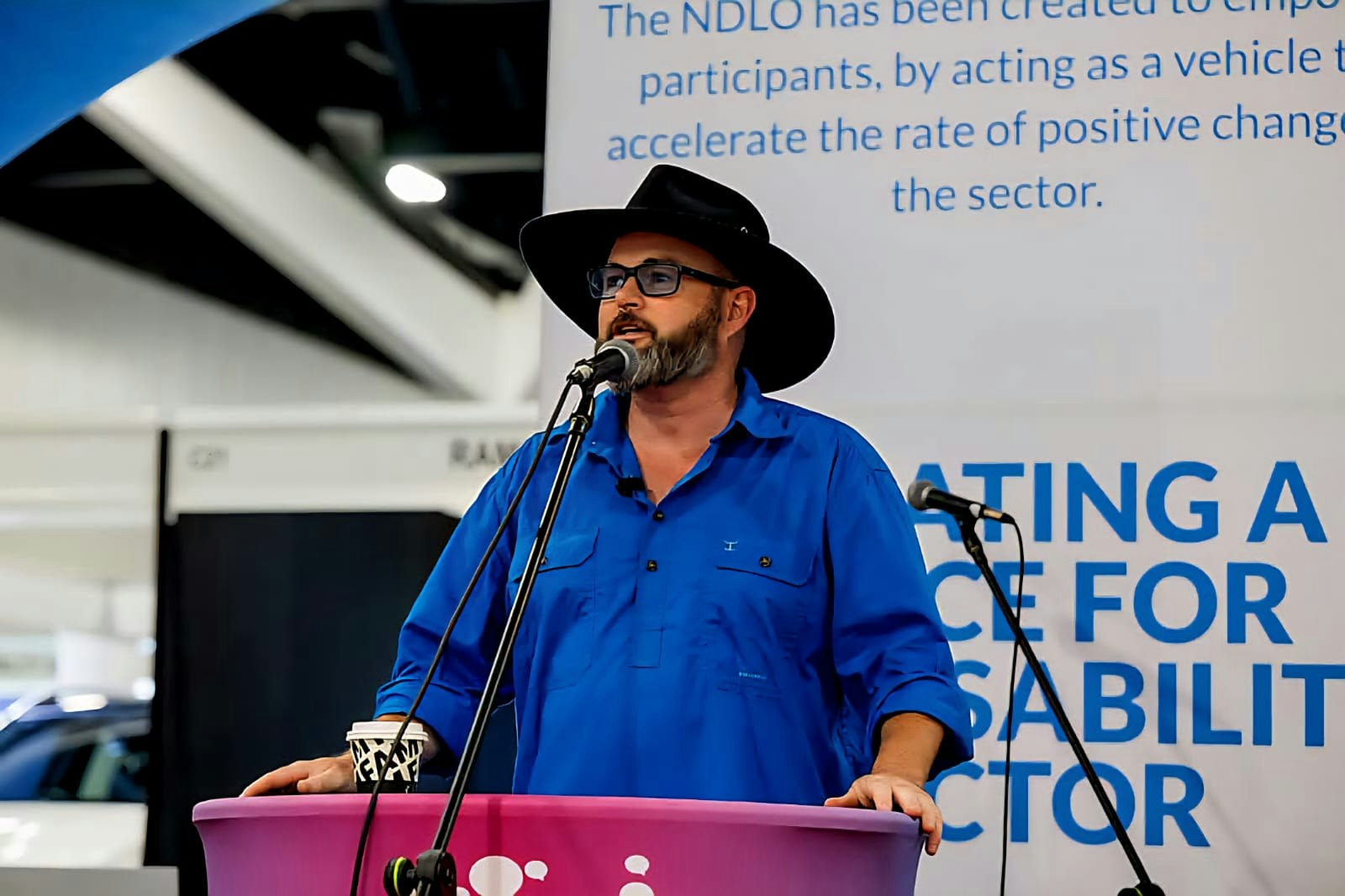
Rural Australians with disability are being hit hard by NDIS funding cuts, with advocates warning of a looming crisis. Prominent voice River Night says regional communities are being left behind — and urgent, coordinated reform is needed now.
Rural communities across Australia are facing an escalating crisis following significant cuts to the National Disability Insurance Scheme (NDIS) funding, described by national disability advocate Mr River Night as akin to being “sent up the creek without a paddle.”
Mr Night, a prominent advocate in disability, child safety, and community services, has expressed grave concern over the recent NDIS pricing changes, which have severely impacted regional and remote areas. He highlights the inherent inequities exacerbated by these funding cuts, noting that residents in rural communities rely heavily on NDIS-funded services due to limited local resources.
“It seems common sense is being thrown out with the bathwater following the latest NDIS price changes as regional service funding is cut. But perhaps it is because a bigger plan is at hand at state levels. The problem is we just don’t know because codesign now seems to be as elusive as trying to catch smoke with a fishing net,” said Mr Night.
The funding cuts have particularly affected allied health services, crucial for fostering independence and lasting improvements in the lives of individuals with disabilities. Mr Night emphasises that without proper funding, essential early intervention services for children become inaccessible, hindering their development and potential for independence.
“Early intervention is crucial for children, and we want them to access this at some level in regional areas so that children can grow, develop, and become more independent, faster and with greater capacity. Instead of simply cutting funding, let’s take the approach of saying, ‘We are cutting one thing because our plan is to…’. That last piece is what is sadly missing,” Mr Night explained.
A coalition of health organisations, including the Australian Physiotherapy Association, Dietitians Australia, Australian Podiatry Association, and others, are urgently calling on the Federal Government and the National Disability Insurance Agency to review these decisions. They argue these cuts threaten essential supports and significantly reduce service choices for individuals with disabilities.
Mr Night also criticised the NDIS’s current administrative practices, pointing out the inefficiency and waste in report-writing requirements, reports often ignored by decision-makers.
“We are wasting NDIS funds on report writing for the NDIS — reports that, according to their own CEO, are often not even read. At the same time, we are cutting funding for those very services. Travel allowances are also reduced, disproportionately absorbing funding that should go towards direct service delivery,” he said.
Highlighting the stark inequities, Mr Night emphasised the urgent need for coordinated solutions across state and federal governments to address these systemic issues comprehensively. He warned of impending system collapse if proactive measures are not urgently implemented.
“Our allied health staff are at breaking point. There are major wait times and a lack of capacity across health services. My fear is that we are setting up a health system — already beyond capacity — for a huge fall,” Mr Night warned.
Advocates are urging policymakers to act decisively, arguing that proactive policy changes now will result in long-term cost savings and a more equitable disability support system. Mr Night underscores the necessity of collaborative action to ensure individuals living with disabilities in regional Australia are not left behind.
“We must connect the dots and coordinate between departments, state and federal, and devise a solution that is cost-effective because it is efficient and flexible. Proactive policy results in long-term cost savings,” concluded Mr Night.