Using spinal home care to help injured people restore mobility
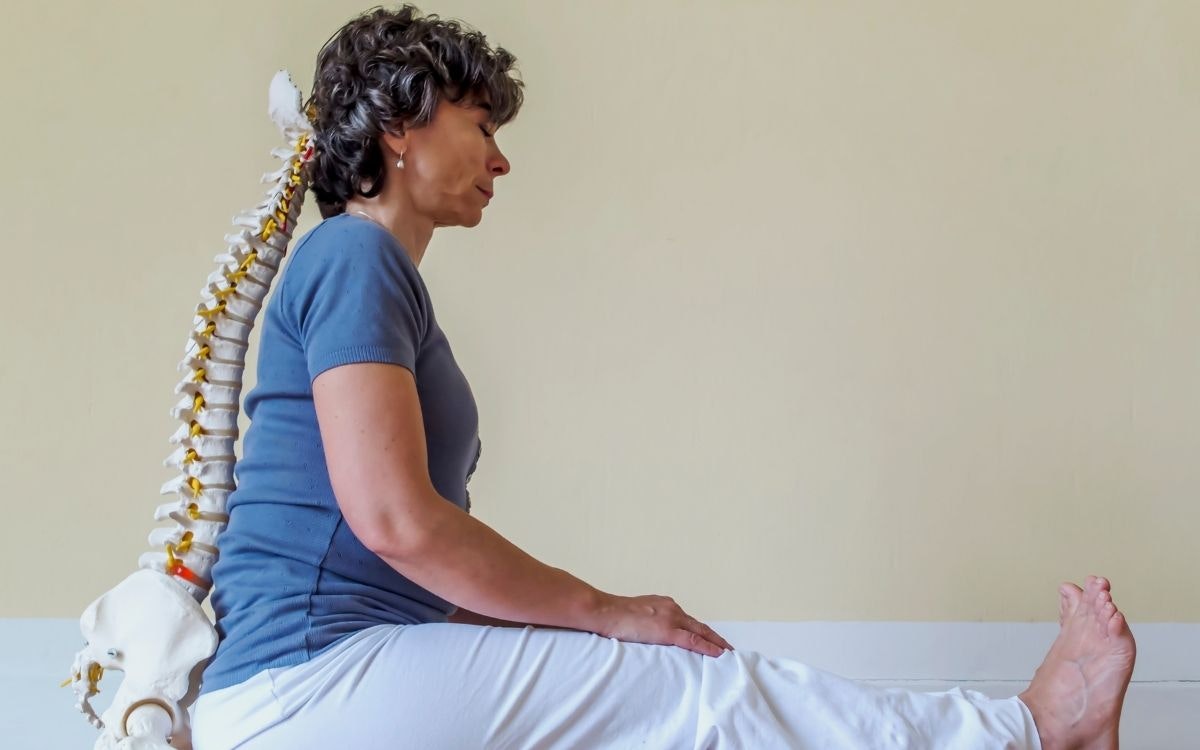
Spinal home care supports people recovering from spinal injury to rebuild mobility, independence and confidence at home through personalised rehabilitation and ongoing support.
A spinal cord injury or spinal surgery can be physically and emotionally exhausting. Recovery is rarely straightforward. It requires patience, resilience and long-term support.
For many years, rehabilitation was seen as something that only happened in hospital. That view is shifting. Advances in allied health practice now recognise that recovery continues well beyond discharge. For many people, home is where meaningful rehabilitation really begins.
Spinal home care services support people to continue their recovery in familiar surroundings. Rather than ending when hospital care finishes, rehabilitation becomes part of daily life. With the right support, people can rebuild mobility, confidence and independence while maintaining dignity and quality of life.
Spinal home care plays a critical role in bridging the gap between hospital discharge and long-term recovery. When delivered well, it allows people to progress at their own pace, supported by trained professionals and carers who understand their individual needs.
What is spinal home care?
Spinal home care is a specialised form of in-home support for people recovering from spinal injury or surgery. It enables ongoing rehabilitation without the need for extended hospital stays.
This model is particularly valuable for people who have completed inpatient rehabilitation and are transitioning back into the community. Care is delivered by a multidisciplinary team that may include physiotherapists, occupational therapists, nurses, personal support workers and social workers. Services are tailored to each person’s goals, abilities and environment.
Support can include:
-
personal care
-
physiotherapy and occupational therapy
-
home modifications and equipment
-
emotional and social support
-
coordination with medical and community services
In Australia, several specialist services support people living with spinal injuries, including the Spinal Outreach Service, State Spinal Outreach Services and the Rural Spinal Cord Injury Service. These services work alongside major hospitals such as the Royal Rehabilitation Centre in Sydney, Children’s Hospital at Westmead and Townsville University Hospital to ensure care aligns with national standards and best practice.
By extending rehabilitation into the home, spinal home care supports continuity, consistency and long-term recovery.
How spinal care plans support recovery
Recovery is guided by structured, individualised care plans. These plans set out short- and long-term goals and are developed collaboratively by healthcare professionals, the individual and their family or carers.
After returning home, many people experience limited mobility and reduced independence. Spinal home care can provide therapy support, assistive equipment and home modifications to improve accessibility and safety.
Support workers and family carers play a central role in putting care plans into practice. With consistent support, people often make significant progress over time, such as transferring more easily, managing daily tasks independently and regaining confidence.
Care plans commonly include:
-
physiotherapy and occupational therapy
-
personal care support
-
emotional and psychological support
-
assistive technology and mobility aids
Together, these supports help people rebuild skills and adapt to life after spinal injury.
Rehabilitation therapies at home
Spinal rehabilitation relies on coordinated input from multiple professionals. Home-based care allows therapy to continue seamlessly from where hospital rehabilitation ended, using the person’s own environment as part of the treatment.
Physiotherapy
Physiotherapy focuses on improving strength, flexibility and movement. Programs are designed to prevent stiffness, manage pain and reduce the risk of pressure injuries. Regular, guided exercise supports mobility and promotes safe movement over time.
Occupational therapy
Occupational therapy helps people adapt to changes in their physical abilities and relearn everyday tasks such as dressing, bathing and household activities. Occupational therapists also recommend assistive technologies, including grab rails, wheelchairs and voice-activated devices, to support independence and safety at home.
Personal care
Personal care supports daily activities such as grooming, dressing and hygiene. Combined with appropriate equipment and home modifications, this support enables people to maintain routines and autonomy while recovering.
Creating a healing environment at home
A safe, accessible home environment is essential for effective rehabilitation. Home modifications such as wider doorways, ramps and adjustable furniture can significantly improve mobility and reduce frustration.
Occupational therapists, builders and equipment suppliers often work together to ensure modifications and assistive devices are integrated properly. A well-designed home environment not only supports physical recovery but can also improve mental wellbeing and confidence.
Regaining mobility
Mobility is about more than movement. It represents freedom, participation and independence.
Spinal home care services aim to help people regain as much mobility as possible through structured, ongoing rehabilitation. Spinal cord injuries are complex, and progress can be slow. Inpatient rehabilitation is only the first step. Continued support at home ensures recovery is not interrupted and that gains made in hospital are built upon in real-life settings.
Funding and access to care
Home-based spinal care can be funded through various programs and funding models. With appropriate guidance, people and families can navigate funding options, understand costs and access services more easily.
Clear coordination and support reduce administrative stress and allow families to focus on recovery rather than paperwork.
Emotional and social support
Recovery from spinal injury is not only physical. Emotional and psychological support is essential.
Social workers, support workers and family carers provide encouragement, companionship and reassurance. Peer support organisations such as Spinal Life and Spinal Cord Injuries Australia also play an important role by connecting people with others who have shared similar experiences.
Emotional support may include:
-
counselling and mental health services
-
peer support groups
-
community access activities
-
ongoing support from carers and support workers
These supports help reduce isolation, rebuild confidence and support long-term wellbeing.
Reclaiming mobility with confidence
Recovering from a spinal injury requires more than medical treatment. It takes compassion, consistency and collaboration.
Spinal home care allows people to continue their rehabilitation safely at home, supported by professionals who understand their needs. With the right care, people can rebuild mobility, regain independence and move forward with confidence.
Recovery does not end at hospital discharge. For many, it truly begins at home.