What a Human Rights Act could mean for people living with disability
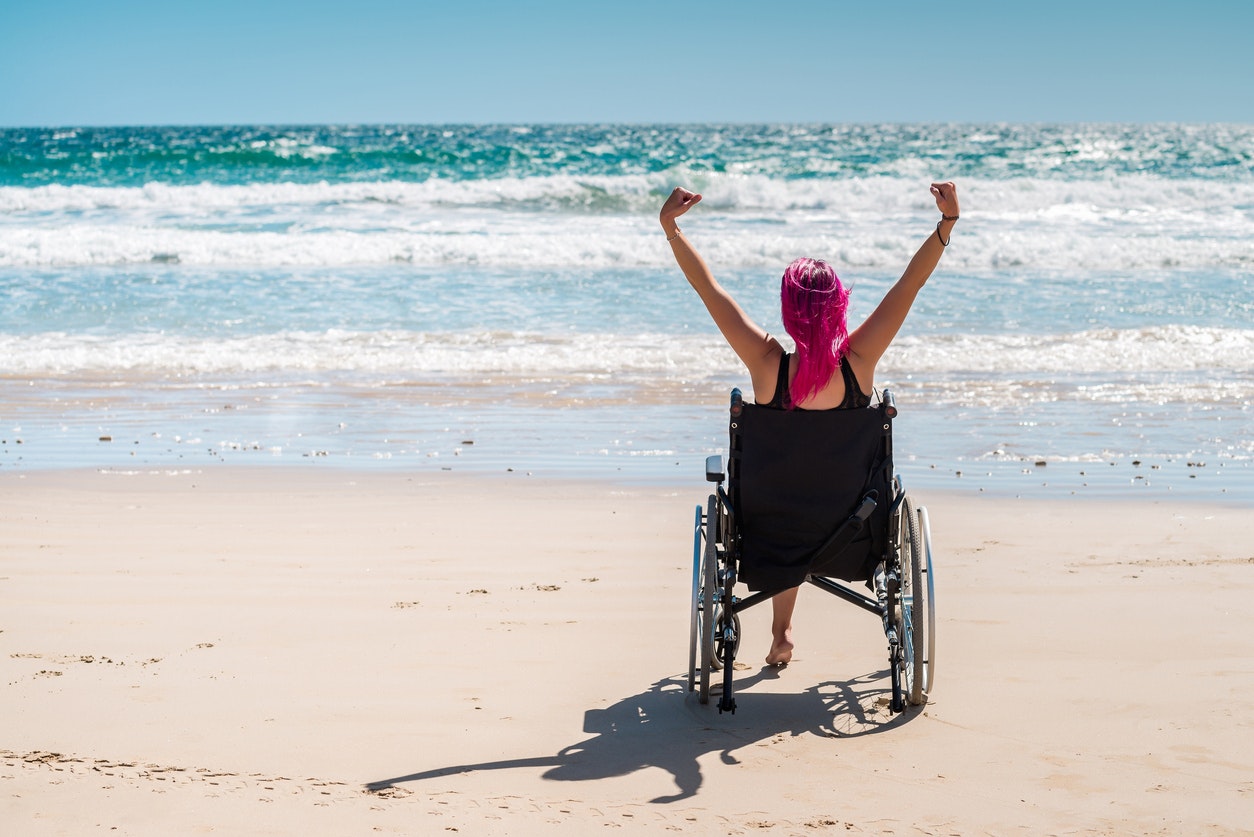
A parliamentary inquiry into a proposed Human Rights Act in NSW could have real implications for people living with disability. From NDIS decisions to access to services, the article explores how stronger legal protections could improve accountability, strengthen rights, and shift the balance from policy to enforceable protections.
A new parliamentary inquiry in New South Wales could mark a turning point in how the rights of people living with disability are recognised and protected, not just in theory, but in everyday life.
The referral of the Human Rights Bill 2025 to a parliamentary inquiry has been described as a significant step towards creating a standalone Human Rights Act in NSW. While that might sound like legal reform at a distance, the implications are much closer to home.
At its core, this is about one question: what happens when systems designed to support people fall short?
The gap in Australia’s human rights protections
Australia remains the only common law country without federally legislated or constitutional human rights protections.
Some states, including Victoria, Queensland and South Australia, have introduced their own human rights legislation. NSW has not.
That means, in many cases, people are relying on policies, guidelines, and complaints processes rather than clearly defined, enforceable rights.
For people living with disability, that distinction matters.
When support systems don’t deliver
Whether it is navigating the NDIS, accessing healthcare, securing appropriate housing, or challenging decisions, people living with disability regularly interact with complex systems.
When those systems work, they can support independence, safety, and participation.
When they don’t, the pathways to challenge decisions or seek redress are often unclear, slow, or limited.
A Human Rights Act would not fix every issue overnight. But it could shift the balance, embedding a clearer expectation that decisions made by government and public services must consider and uphold fundamental rights.
What could actually change
If introduced, a Human Rights Act in NSW could influence how decisions are made across a range of systems that affect people living with disability.
That could include:
- Greater accountability in decision-making by government agencies
- Clearer frameworks for challenging decisions that impact rights
- Stronger consideration of dignity, autonomy, and inclusion in service delivery
- More consistent approaches across sectors, including disability, health, and housing
Importantly, it would move human rights from an abstract principle to something that must be actively considered in practice.
Why this inquiry matters
The parliamentary inquiry will examine the proposed legislation and gather input from legal experts, advocacy groups, and the broader community.
The President of the Law Society of NSW, Ronan MacSweeney, described the inquiry as an opportunity for legislators to hear directly from experts and the community about how human rights should be enshrined in law.
He also noted that well-drafted human rights legislation could strengthen decision-making and improve outcomes for the people of NSW.
For people living with disability, this is a moment where lived experience will be critical. The way systems operate on the ground needs to shape how any future legislation is designed.
From policy to protection
Much of the current disability support landscape is guided by policy frameworks, standards, and funding rules.
These are important, but they are not the same as enforceable rights.
A Human Rights Act has the potential to change that dynamic. It could provide a clearer foundation for challenging decisions, advocating for better support, and ensuring services align with the rights of the people they are designed to serve.
What happens next
The inquiry will now take submissions and evidence before making recommendations to the NSW Parliament. Submissions are open to individuals and organisations, providing an opportunity to help shape how human rights are recognised and applied in practice.
For people living with disability, the opportunity is clear. This is a chance to influence how rights are recognised, protected, and applied in practice.
Because at the end of the day, human rights are not abstract concepts. They show up in everyday decisions, the ones that shape access to support, independence, and quality of life.
And those are the decisions that matter most.