Workforce shortages are quietly reshaping disability support – and not always for the better
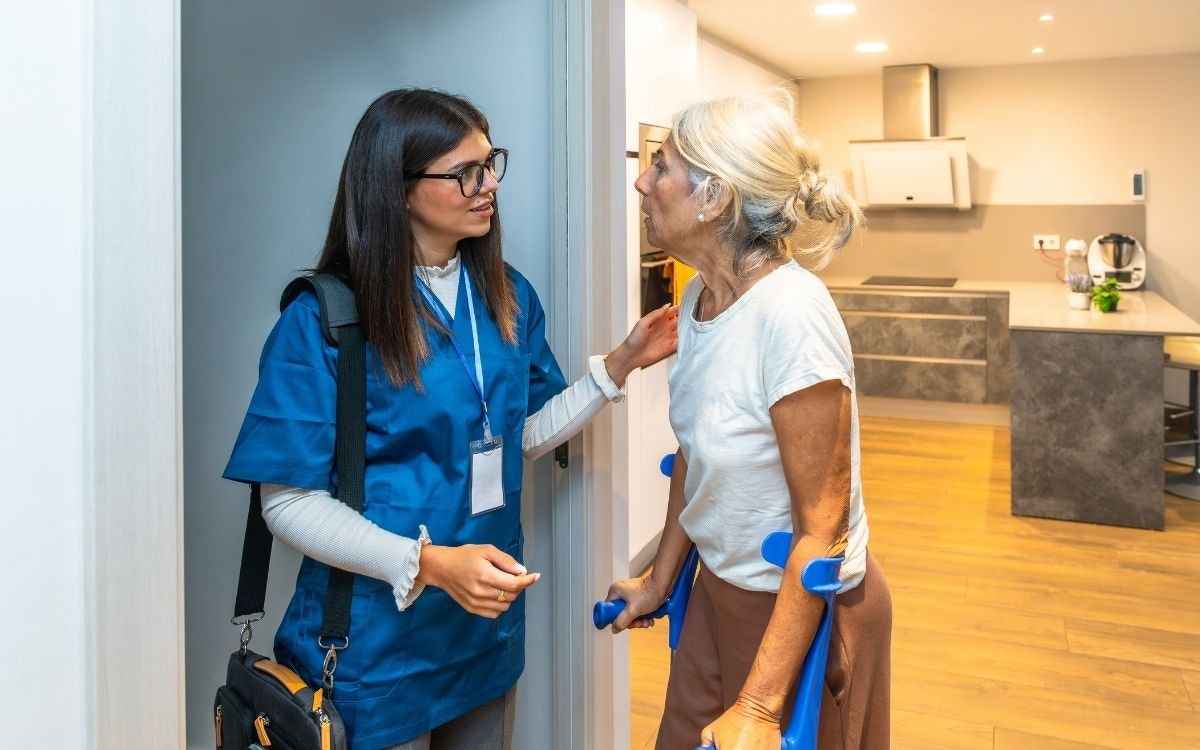
Australia’s disability workforce shortages are no longer an abstract problem. High turnover, casualisation, and the rise of app-based support are quietly reshaping the quality, safety, and consistency of care. This article examines how these changes affect trust, continuity, and choice for people with disability, from the participant perspective.
Australia’s disability workforce is in trouble. That part isn’t news.
What is less talked about is how this crisis is playing out in people’s actual lives, quietly, unevenly, and often in ways that undermine trust, safety, and choice for people with disability.
This isn’t just an “industry challenge” or a provider headache. It’s something participants are already living with every day.
The shortage isn’t abstract – it’s personal
When support workers come and go, it doesn’t just create rostering gaps. It affects relationships.
High turnover means people with disability are repeatedly asked to:
-
Re-explain their needs
-
Re-establish boundaries
-
Rebuild trust with strangers in their homes
For people who rely on consistent support, particularly those with complex needs, psychosocial disability, or a history of trauma, this churn can be destabilising and, at times, unsafe.
Continuity of care isn’t a “nice to have”. It’s fundamental to dignity, autonomy, and wellbeing. Yet workforce instability is making continuity harder to achieve, even when funding is technically available.
Casualisation has consequences
Much of the workforce shortage conversation focuses on numbers: how many workers we need, how fast the sector is growing, where the gaps are.
What’s talked about less is how those workers are being employed.
Casual and insecure work is now common across disability support. For workers, this often means:
-
Inconsistent hours
-
Limited paid training
-
Little incentive to stay long-term
For participants, it often means:
-
Constantly changing faces
-
Workers unfamiliar with their preferences or routines
-
Less accountability when things go wrong
When support work is treated as disposable labour, support relationships become disposable too.
The rise of app-based and gig-style support
Platform-based disability support has grown rapidly. For some participants, it has offered flexibility, faster matching, and more control.
That’s the upside – and it’s real.
But there are serious risks that rarely get discussed openly.
App-based models can:
-
Prioritise speed over suitability
-
Reduce vetting to the bare minimum
-
Push responsibility for quality and safety onto participants themselves
When something goes wrong, it’s often unclear who is accountable – the worker, the platform, or the participant who “chose” them.
Choice without safeguards isn’t empowerment. It’s risk transfer.
When “choice” quietly becomes pressure
In theory, participants can choose providers or workers who suit them. In reality, workforce shortages mean many people are choosing from a shrinking pool, or being told to take what’s available.
This shows up when:
-
Participants accept workers who aren’t a good fit because there’s no alternative
-
Shifts are cancelled at short notice with no replacement
-
People are encouraged to be “flexible” about needs that really shouldn’t be negotiable
When the system can’t supply stable support, choice becomes conditional, and people with disability carry the consequences.
What participants should watch for
In a tight labour market, it’s more important than ever for participants to ask hard questions.
Some things worth paying attention to:
-
Turnover rates: How often do workers leave this provider or platform?
-
Training and supervision: What support do workers actually receive?
-
Backup plans: What happens if a worker cancels or leaves suddenly?
-
Clear accountability: Who is responsible if something goes wrong?
If a provider can’t answer these clearly, that’s a red flag, not an inconvenience.
Why this matters now
The disability workforce crisis is accelerating. Migration reliance, burnout, casual schedules, and booking apps aren’t temporary blips, they’re structural shifts.
If we keep framing this as an industry staffing issue, we miss the real impact: people with disability living with instability in their own homes.
Participants’ experiences should be central to this conversation, not an afterthought.
Because when workforce shortages are managed badly, the cost isn’t just inefficiency, it’s lost trust, reduced safety, and support that feels transactional instead of human.
And that’s not what the NDIS was meant to deliver.